Best Chicken Egg Incubators: 2026 Buyer's Guide
The best chicken egg incubators for 2026 reviewed and ranked. 5 models from $50 to $400 across capacity, features, and hatch-rate reliability.
Researched from university extension, USDA, and veterinary sources. How we research.
Affiliate Disclosure: This article contains affiliate links to Amazon. If you buy something through these links, we earn a small commission at no extra cost to you. We only recommend products we genuinely think are worth your money. Full disclosure.
Best Chicken Egg Incubators: 2026 Buyer's Guide
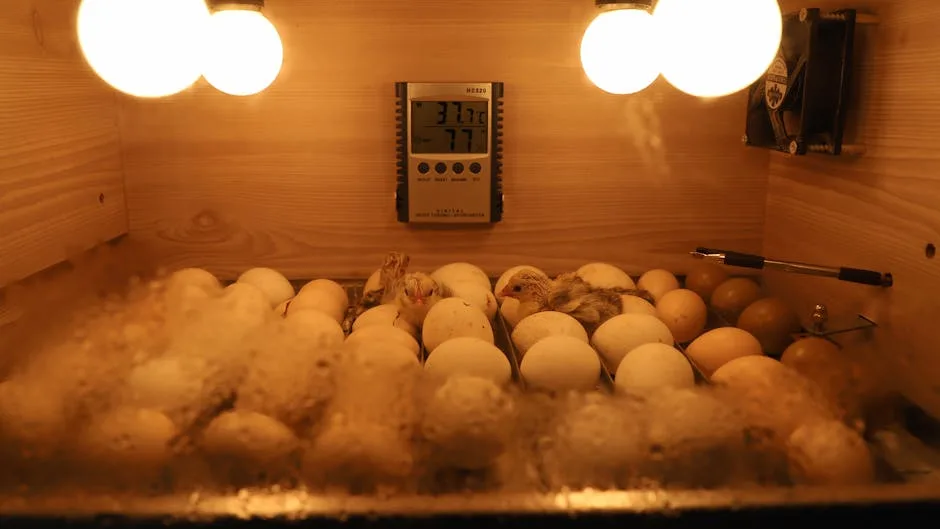
The right egg incubator turns hatching chicken eggs at home into a reliable, repeatable process. The wrong one gives you temperature swings, bad humidity control, and heartbreaking hatch failures after 21 days of waiting. After comparing the most-popular models on Amazon against what serious hatching communities consistently recommend, five incubators are genuinely worth buying in 2026, across price tiers from $50 to $400.
This guide covers each pick with full specs, the realistic hatch rates each delivers, the modifications and accessories you'll actually need on top of the incubator itself, and a worked example of total first-hatch cost.
What You'll Learn
- •Quick comparison: which incubator fits your goals
- •What separates a good incubator from a bad one
- •Best overall: Harris Farms Nurture Right 360
- •Best budget: Farm Innovators 4250 Pro Series
- •Best premium small: Brinsea Mini II Advance
- •Best for larger hatches: Brinsea Ovation 28 EX
- •Best ultra-budget: Magicfly Mini Incubator
- •Realistic hatch rates by incubator tier
- •Forced-air vs still-air explained
- •Total cost of your first hatch (incubator + accessories)
- •Common hatching mistakes that ruin a batch
- •Frequently Asked Questions
Quick Comparison: Which Incubator Fits Your Goals
| Pick | Best for | Capacity | Price | Type | Expected hatch rate |
|---|---|---|---|---|---|
| Harris Farms Nurture Right 360 | Most first-time hatchers | 22 eggs | $160-$190 | Forced-air | 75-90% |
| Farm Innovators 4250 | Budget, larger capacity | 41 eggs | $80-$120 | Forced-air | 70-85% |
| Brinsea Mini II Advance | Serious hobbyists, classrooms | 7 eggs | $170-$200 | Forced-air | 85-95% |
| Brinsea Ovation 28 EX | Regular/breeder hatching | 28 eggs | $350-$400 | Forced-air | 85-95% |
| Magicfly Mini | Testing the hobby cheap | 9-12 eggs | $35-$50 | Still-air | 40-65% |
For most first-time backyard hatchers, the Harris Farms Nurture Right 360 is the right answer: feature-rich, forgiving, reliable, and well-priced. Step up to Brinsea (Mini for small batches, Ovation for regular hatching) if you're committed long-term. Drop to Magicfly only if you're testing whether you enjoy incubating at all.
What Separates a Good Incubator From a Bad One
Six things to evaluate before buying any incubator:
1. Forced-air vs still-air. Forced-air incubators have an internal fan that circulates air, keeping temperature even throughout the unit. Still-air models have hot spots and cold spots that require constant monitoring. For beginners, forced-air is the clear winner. Every pick on this list except the Magicfly is forced-air.
2. Automatic egg turner. Eggs need to be turned 3 to 5 times per day during the first 18 days of incubation. An automatic turner handles this for you, eliminating the most tedious part of hatching AND keeping temperature/humidity stable since you don't open the lid. Skipping the auto-turner drops hatch rates 15 to 25%.
3. Temperature accuracy. Target is 99.5°F in a forced-air incubator, per Penn State Extension. Even a 1°F variance over 21 days can dramatically affect hatch rates. Look for digital thermostats with calibration features. Always verify with a separate thermometer regardless of how accurate the built-in display claims to be.
4. Humidity control. Good incubators make adding water easy without opening the lid. External water ports or refill channels accessible from outside are a huge advantage. Every time you open the incubator, humidity drops 20-30% and takes hours to recover.
5. Capacity and batch sizing. Match the capacity to how often you'll hatch. Small (7-12 eggs) for monthly hobby hatches. Medium (22-28) for seasonal hatching. Large (40+) for serious breeders or commercial-leaning operations.
6. Visibility. Clear lids or large viewing windows let you watch hatch day without opening the incubator. This matters more than you'd think; hatch day is a 12-24 hour event with chicks emerging at different times, and you'll want to watch.
For the full incubation process, temperature/humidity timeline, and 21-day walkthrough, see our how to hatch chicken eggs guide.
Best Overall: Harris Farms Nurture Right 360
The Nurture Right 360 is the model backyard chicken forums recommend more than any other. It hits the perfect balance of features, reliability, and price.
Check Price on Amazon: Harris Farms Nurture Right 360. Around $160 to $190.
Key specs:
| Capacity (chicken eggs) | 22 eggs total, 12-16 with turner installed |
| Type | Forced-air with internal fan |
| Auto turner | Yes, rolling motion (mimics broody hen) |
| Auto-stop lockdown | Yes, stops turning on day 18 |
| Water access | External port (no lid opening needed) |
| Temperature display | Digital, ±0.1°F resolution |
| Humidity display | Digital |
| Power consumption | ~30W average |
| Cleaning | Easy; plastic, dishwasher-safe egg tray |
| Realistic lifespan | 5-10 years |
What we like:
- •360-degree clear dome lets you watch the entire hatch without opening
- •Auto-turner with realistic rolling motion improves hatch rates
- •External water port is genuinely game-changing for humidity management
- •Digital countdown to hatch day (lockdown reminder)
- •Forgiving of first-time-hatcher mistakes; the auto-features compensate for human inconsistency
- •Sweet spot on price and features
What could be better:
- •Built-in humidity sensor can be off by 3-5%. Buy a separate hygrometer for $15 to verify.
- •Auto-turner can be slightly noisy (some owners report a faint grinding); not loud enough to be an issue
- •22-egg capacity tops out fast if you catch the hatching bug. You may want a second incubator within a year.
Best for: First-time hatchers and anyone wanting reliable, feature-rich incubation without spending $300+. This is the default recommendation for most backyard keepers.
Realistic hatch rate: 75-90% with quality fertile eggs and proper setup. First hatches often run 60-75% while you learn; experienced hatchers consistently hit 85-90%.
Best Budget: Farm Innovators 4250 Pro Series
If the Nurture Right is out of budget, the Farm Innovators 4250 is the next best option. It's been a reliable workhorse for the hatching community for over a decade.
Check Price on Amazon: Farm Innovators 4250. Around $80 to $120.
Key specs:
| Capacity (chicken eggs) | 41 eggs |
| Type | Forced-air |
| Auto turner | Yes, included |
| Water access | External refill channels |
| Temperature display | Digital LCD |
| Humidity display | Basic (no digital readout on older models) |
| Material | Styrofoam construction |
| Power consumption | ~50W average |
| Realistic lifespan | 3-5 years (styrofoam degrades) |
What we like:
- •41-egg capacity at less than half the Nurture Right's price
- •Forced-air with auto-turner included
- •Digital temperature display with thermostat
- •Proven reliability across thousands of community hatches
- •External water channels reduce lid-opening
- •Best capacity-to-dollar ratio on this list
What could be better:
- •Styrofoam construction looks/feels cheap and absorbs moisture (harder to sanitize between hatches)
- •Smaller viewing windows; you won't get the same hatch-day spectacle
- •Humidity management is functional but not precise
- •Styrofoam degrades over 3-5 years; not a multi-decade incubator
Best for: Budget-conscious hatchers who want larger capacity without premium pricing. Also a smart choice if you're unsure about the hobby; the lower price stings less if you decide hatching isn't for you.
Realistic hatch rate: 70-85% in good conditions. Slightly less than the Nurture Right due to less precise humidity control, but very acceptable.
Best Premium Small: Brinsea Mini II Advance
Brinsea is the gold standard name in egg incubation. The Mini II Advance is their entry-level model that punches well above its price point.
Check Price on Amazon: Brinsea Mini II Advance. Around $170 to $200.
Key specs:
| Capacity (chicken eggs) | 7 eggs |
| Type | Forced-air |
| Auto turner | Yes, with digital countdown to hatch |
| Water access | Open lid to refill (no external port) |
| Temperature accuracy | Industry-leading; ±0.2°F |
| Humidity display | Digital |
| Material | Durable plastic, autoclavable parts |
| Power consumption | ~25W |
| Alarms | Temperature, humidity, power failure |
| Realistic lifespan | 10-15+ years |
What we like:
- •Brinsea's temperature stability is genuinely best-in-class (their engineering reputation isn't marketing)
- •Built to last decades, not years
- •Compact footprint fits on any shelf or desk
- •Alarm system alerts you to problems before they ruin a hatch
- •Clear dome lid for excellent visibility
- •Resale value holds up; a 5-year-old Brinsea still sells for 60-70% of original price
What could be better:
- •Only 7 eggs; smallest capacity on this list
- •No external water port (you have to lift the lid to add water)
- •Higher upfront cost for the small capacity
- •May need a second incubator for any meaningful batch hatching
Best for: Serious hatchers who want the absolute best hatch rates and plan to incubate for years. Also great for classrooms and educational projects where teachers need rock-solid reliability.
Realistic hatch rate: 85-95%. Brinsea's precision genuinely shows up in higher hatch rates with the same fertile eggs.
Best for Larger Hatches: Brinsea Ovation 28 EX
If you're hatching regularly or want to handle larger batches, the Ovation 28 EX is the best mid-size incubator on Amazon.
Check Price on Amazon: Brinsea Ovation 28 EX. Around $350 to $400.
Key specs:
| Capacity (chicken eggs) | 28 eggs |
| Type | Forced-air |
| Auto turner | Yes, adjustable intervals |
| Water access | External pump system, fully automatic humidity |
| Temperature accuracy | ±0.2°F |
| Humidity control | Automatic (pump adds water as needed) |
| Material | Heavy-duty plastic, fully sanitizable |
| Power consumption | ~50W |
| Alarms | Temperature, humidity, power, water level |
| Realistic lifespan | 15+ years |
What we like:
- •28-egg capacity hits the sweet spot for hobby breeders
- •Brinsea's industry-leading temperature control at larger scale
- •Fully automatic humidity (the external water pump is genuinely set-it-and-forget-it)
- •Works with chicken, duck, goose, and quail eggs
- •Complete alarm system
- •Built for 15+ years of regular use
What could be better:
- •Real money territory ($350-$400)
- •External water system adds complexity for first-time hatchers
- •Overkill for occasional hobby hatching (1-2 hatches per year)
- •Larger footprint requires dedicated space
Best for: Experienced hatchers, hobby breeders, anyone working with multiple specific breeds, or backyard keepers who hatch 3+ times per year.
Realistic hatch rate: 85-95%. Same Brinsea precision as the Mini II Advance, scaled to bigger capacity.
Best Ultra-Budget: Magicfly Mini Incubator
If you want to try hatching without committing $150+, the Magicfly gets you in the door for under $50.
Check Price on Amazon: Magicfly Mini Incubator. Around $35 to $50.
Key specs:
| Capacity (chicken eggs) | 9-12 eggs |
| Type | Still-air (no fan) |
| Auto turner | No (manual turning required) |
| Water access | Channels in base |
| Temperature display | Digital |
| Material | Lightweight plastic |
| Power consumption | ~15W |
| Realistic lifespan | 2-3 years |
What we like:
- •Under $50; cheapest way to try hatching
- •Digital temperature display
- •Clear lid for visibility
- •Simple setup, no complex controls
- •Won't break the bank if you decide hatching isn't for you
What could be better:
- •Still-air design means temperature varies throughout the unit (hot at top, cooler at bottom)
- •No automatic egg turner; you'll manually turn eggs 3-5 times daily for 18 days
- •Humidity management is basic and imprecise
- •Hatch rates significantly lower than forced-air models
- •Build quality is what you'd expect at this price
Best for: Absolute beginners testing the hobby, kids' science projects, or anyone who wants to spend less than $50 to find out if they enjoy incubation. Think of it as a starter incubator; if you catch the hatching bug, you'll upgrade within a year.
Realistic hatch rate: 40-65%. The combination of still-air, manual turning, and basic humidity control means significantly more eggs fail to develop or hatch.
Realistic Hatch Rates by Incubator Tier
The marketing claims of "95% hatch rates!" are optimistic. Here's what real backyard hatchers actually achieve, based on community reports and our experience.
| Tier | Typical hatch rate | First-hatch rate | Experienced rate |
|---|---|---|---|
| Premium (Brinsea) | 85-95% | 70-85% | 90-95% |
| Mid-range (Nurture Right) | 75-90% | 60-80% | 85-90% |
| Budget (Farm Innovators) | 70-85% | 55-75% | 80-85% |
| Ultra-budget (Magicfly) | 40-65% | 30-50% | 60-65% |
Three things drive hatch rates more than incubator choice:
- •Egg quality. Fresh, fertile, properly stored eggs from a healthy flock outperform old or shipped eggs by 20-30 percentage points. Eggs shipped via USPS frequently have damaged air cells that reduce hatch rates regardless of how good your incubator is.
- •Operator experience. Your first hatch will likely run 15-20% below your steady-state rate, even with a great incubator. The learning curve is real.
- •Temperature stability. A precise incubator only helps if your room temperature is also stable. Avoid drafty corners, sunny windowsills, or rooms that swing more than 5°F day to night.
Forced-Air vs Still-Air Explained
This is one of the first decisions you'll make, and it genuinely matters.
Forced-air (with internal fan):
- •Fan circulates air, keeping temperature even throughout the incubator
- •Set to 99.5°F and the whole unit stays consistent
- •Higher hatch rates because every egg gets identical conditions
- •More forgiving of minor setup mistakes
- •Standard in all incubators above $80
Still-air (no fan):
- •Hot air rises, creating temperature layers within the unit
- •Must measure temperature at the TOP of the eggs (101-102°F at that height)
- •Requires more monitoring and adjustment throughout incubation
- •Lower hatch rates, especially for beginners (10-20 percentage points lower)
- •Found in ultra-budget models only
For first-time hatchers, forced-air is the clear winner. The investment pays for itself in better hatch rates and less stress. Still-air can produce good hatches, but only with significant operator skill and constant attention.
Total Cost of Your First Hatch (Incubator + Accessories)
The incubator is only part of what you need to actually run a hatch. Realistic budget for first-time hatchers using the Harris Farms Nurture Right 360:
| Item | Cost |
|---|---|
| Harris Farms Nurture Right 360 | $175 |
| Separate digital hygrometer (verify built-in sensor) | $15 |
| LED egg candler flashlight | $12 |
| Fertile eggs (dozen, shipped) | $35-$60 |
| Brooder setup (heat plate, basic brooder box, bedding) | $75-$120 |
| Chick starter feed and waterer | $30 |
| Total first-hatch cost | $342-$412 |
The incubator is a multi-year investment, but the per-hatch cost after the first one drops to just the eggs (~$35-$60) and feed for chicks. By your third or fourth hatch, the incubator has paid for itself in chick-purchase savings vs buying from hatcheries.
If you go budget with the Farm Innovators 4250, total first-hatch cost drops to about $260-$330. If you go premium with Brinsea Mini II Advance, it's about $350-$420.
Common Hatching Mistakes That Ruin a Batch
Six mistakes that come up consistently in hatching forums. Most are operator-controlled, not incubator-controlled.
1. Skipping the 24-hour pre-warm-up. Run the incubator empty for 24-48 hours before adding eggs to verify temperature and humidity stability. Eggs added to an unstable incubator have dramatically lower hatch rates.
2. Not verifying the built-in thermometer. Every incubator's built-in sensor can be off by 1-2°F. Add a separate digital thermometer/hygrometer ($15) and trust it over the built-in display.
3. Opening the incubator too often during lockdown (days 18-21). Once you stop turning on day 18 and increase humidity, leave the lid closed except for absolute necessity. Each opening drops humidity 20-30% at exactly the time embryos most need it stable.
4. Wrong humidity for the wrong stage. Days 1-17: 40-50% humidity. Days 18-21 (lockdown): 65-75% humidity. Getting these reversed or running humidity too high during the first 17 days dramatically increases shrink-wrap deaths during hatch.
5. Helping chicks out of shells. Tempting but usually fatal. Chicks need to break out themselves; the process strengthens them and allows the blood vessels in the membrane to seal off. Pulling a chick out prematurely usually causes fatal bleeding or weakness.
6. Hatching from old eggs. Fertile eggs should be incubated within 7-10 days of being laid. After 10 days, hatch rates drop ~5% per day. Eggs stored 14+ days rarely hatch. Older or shipped eggs are the most common reason "the incubator must be broken."
For the full 21-day timeline and detailed setup, see our complete chicken egg hatching guide.
Frequently Asked Questions
What is the best egg incubator for beginners?
The Harris Farms Nurture Right 360 is the most-recommended beginner incubator by backyard chicken communities. It hits the sweet spot of features (auto-turn, external water port, digital display), capacity (22 eggs), and price ($160-$190). Realistic hatch rates of 75-90% even for first-time hatchers.
What temperature should an egg incubator be set to?
Forced-air incubators (with a fan): 99.5°F (37.5°C). Still-air incubators: 101-102°F (38.3-38.9°C) measured at the top of the eggs. Always verify with a separate digital thermometer; built-in sensors can be off by 1-2°F.
What humidity should an egg incubator be at?
40-50% for days 1-17 (the main incubation period). 65-75% for days 18-21 (lockdown, when eggs are no longer turned and chicks are preparing to hatch). Reversing these or running too high too early causes more hatching failures than any other humidity mistake.
How many eggs should a beginner incubate?
6 to 12 eggs for your first hatch. This is enough to learn the process without being overwhelmed. Expect 50-80% hatch rates as a beginner (lower than experienced hatchers), so a dozen gives you a reasonable number of chicks even with some failures.
Do I really need an automatic egg turner?
Technically no, but the difference in hatch rates is substantial. Without an auto-turner, you'll manually turn eggs 3-5 times per day for 18 days, opening the incubator each time and disrupting temperature/humidity. Manual turning typically drops hatch rates 15-25%. Auto-turner pays for itself in better outcomes.
How long do egg incubators last?
Premium incubators (Brinsea): 10-15+ years with proper care. Mid-range (Nurture Right, similar plastic models): 5-10 years. Budget styrofoam models (Farm Innovators): 3-5 years before the styrofoam degrades and is hard to sanitize. Ultra-budget plastic models: 2-3 years.
Can I hatch duck, quail, or turkey eggs in a chicken egg incubator?
Yes, all the incubators on this list work for multiple poultry species. The main differences are incubation time and humidity. Duck eggs: 28 days. Turkey eggs: 28 days. Quail eggs: 17-18 days. Goose eggs: 28-32 days. Temperature settings stay the same (99.5°F forced-air). Humidity requirements vary by species; research before starting.
What's the difference between the Nurture Right 360 and Brinsea Mini?
Brinsea Mini has tighter temperature control (~0.2°F vs ~0.5°F) and is built to last 10-15+ years. The Nurture Right has 3x the capacity (22 vs 7 eggs) and an external water port (Brinsea Mini requires lid opening to refill). For most backyard keepers, the Nurture Right's capacity matters more than Brinsea's tighter precision. For serious hobbyists or classrooms, the Brinsea's longevity wins.
Why are my eggs not hatching?
Most common reasons, in order: (1) eggs were old or improperly stored before incubation, (2) temperature was inconsistent (too high or too low at any point), (3) humidity was wrong (especially during lockdown), (4) infertile eggs to begin with, (5) opening the incubator too often during lockdown days 18-21, (6) helping chicks out of shells prematurely.
How much does it cost to hatch a chicken egg?
The incubator amortizes across multiple hatches, so per-egg cost drops sharply after the first hatch. First hatch with a Harris Farms Nurture Right 360 and dozen fertile eggs runs about $35-$50 per chick all-in. Subsequent hatches drop to $5-$10 per chick (eggs + electricity + feed for the first few weeks). Compare to $4-$8 per chick from a hatchery (plus $20-$40 shipping for small orders).
Should I buy a used egg incubator?
Used Brinsea incubators are a smart buy if you can find one (they hold value and last 15+ years). Used styrofoam incubators (Farm Innovators) are riskier because the styrofoam degrades and absorbs bacteria over time; sanitization is harder. Used Nurture Right falls in between. Always inspect for cracked plastic, missing parts, and any signs of mold.
Where do I get fertile chicken eggs?
Three main sources: (1) your own flock if you have a rooster, (2) local breeders found via Facebook groups or Craigslist, (3) hatcheries that ship fertile eggs (Murray McMurray, Meyer Hatchery, Cackle, others). Local fresh eggs hatch best. Shipped eggs have lower hatch rates due to handling and temperature swings during transit (often 50-65% even with a perfect incubator).
Can I incubate eggs without an incubator?
Only with a broody hen. There's no DIY equivalent that matches even a $50 incubator's reliability for the 21-day temperature/humidity precision needed. Some hobbyists attempt styrofoam-cooler builds, but the failure rates make a $50 Magicfly the more practical "minimum viable incubator."
Final Recommendation
For most first-time backyard hatchers in 2026, the Harris Farms Nurture Right 360 at $160-$190 is the right answer. It's the model the chicken community recommends most often, hatch rates are reliably 75-90%, and the feature set (auto-turn, external water port, digital countdown) makes hatching forgiving for beginners.
If budget is a constraint, the Farm Innovators 4250 at $80-$120 gives you larger capacity (41 eggs!) at half the price, accepting a small hit on precision. If you want the best long-term investment, Brinsea Mini II Advance (small batches) or Brinsea Ovation 28 EX (larger) deliver the highest hatch rates and last 15+ years.
Whatever incubator you pick, the Magicfly Mini at $35-$50 is a defensible way to test the hobby first if you're unsure. Just don't expect the same hatch rates as forced-air models.
Once you have the incubator, read our complete chicken egg hatching guide for the full 21-day process, then raising chicks week by week for everything that happens after hatch day.
Sources:
- •University of Kentucky Cooperative Extension. Small Flock Poultry housing. https://poultry.extension.org/
- •University of Missouri Extension. Small flock housing recommendations. https://extension.missouri.edu/publications/g8351
- •Penn State Extension. Poultry housing and equipment. https://extension.psu.edu/animals/poultry
Related Guides
Chicken Coops for Sale: 2026 Buyer's Guide
How to buy the right chicken coop: prefab, walk-in, and mobile types compared, plus sizing, pricing, predator-proofing, and where to buy.
Gear ReviewsBest Egg Cartons for Selling Backyard Eggs 2026
The best egg cartons for selling backyard eggs: pulp, plastic, and foam compared, where to buy in bulk, plus the labeling rules you have to follow.
Gear ReviewsBest Chicken Coops Under $500 (2026 Buyer's Guide)
The best chicken coops on Amazon under $500. Three picks across the budget, mid-range, and stretch tiers, plus what to upgrade out of the box.
Gear ReviewsBest Walk-In Chicken Coops (2026 Buyer's Guide)
The best walk-in chicken coops for backyard flocks of 6-20 birds. Wood and metal options compared, with sizing, pricing, and predator-proofing tips.