Chicken Coop Bedding: Pine Shavings vs Straw vs Sand (Compared)
Compare the 3 most popular chicken coop bedding options. See the pros, cons, and costs of pine shavings, straw, and sand to pick the best fit for your flock.
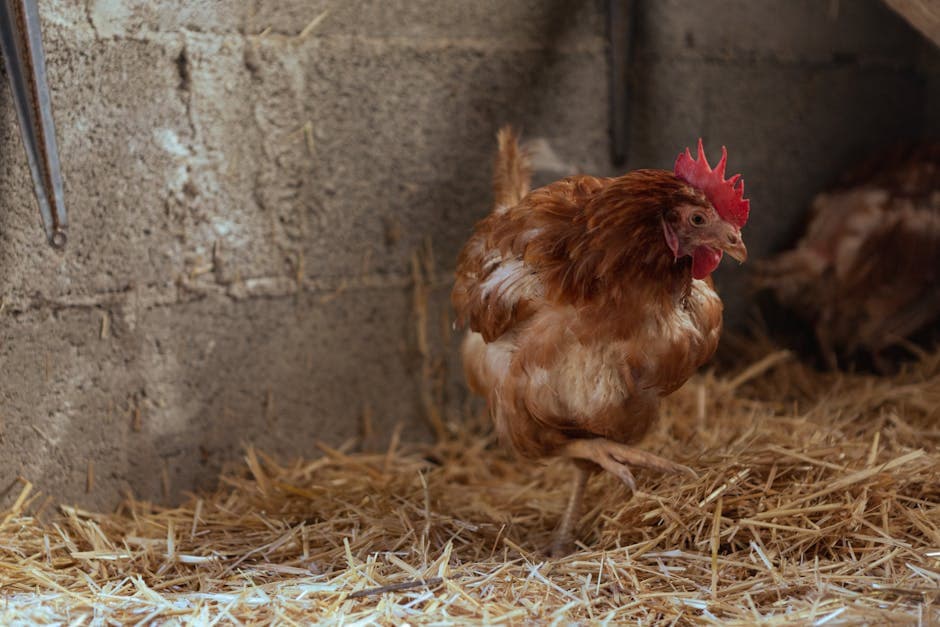
The best chicken coop bedding depends on your climate, budget, and how much time you want to spend cleaning. Pine shavings are the most popular choice for good reason, but straw and sand both have real advantages that might make them a better fit for your setup. Here's what you need to know about all three.
Picking the wrong bedding can lead to moisture buildup, ammonia problems, and sick birds. Picking the right one keeps your coop smelling fresh, your chickens healthy, and your weekend cleanup fast. Let's break down each option so you can make a confident choice.
What You'll Learn
- •Why Coop Bedding Matters
- •Pine Shavings: The Most Popular Choice
- •Straw: The Budget-Friendly Classic
- •Sand: The Low-Maintenance Option
- •Side-by-Side Comparison
- •Which Bedding Works Best for Nesting Boxes?
- •Can You Mix Different Bedding Types?
- •The Deep Litter Method
- •What to Avoid
- •Frequently Asked Questions
Why Coop Bedding Matters
Coop bedding isn't just about comfort. It's your flock's first line of defense against moisture, ammonia, bacteria, and cold temperatures. Good bedding absorbs droppings and moisture before they can create problems, and it gives your chickens a soft surface for their feet and joints.
A damp coop is a breeding ground for respiratory issues, bumblefoot, and parasites. Chickens produce a surprising amount of moisture through droppings and breathing, so your bedding needs to handle that load day after day.
The right bedding also makes your life easier. If you're spending hours every week scraping out a soggy mess, you'll burn out fast. The wrong choice can turn coop maintenance from a 10-minute chore into a miserable afternoon project.
If you're still setting up your coop, check out our guide to building a chicken coop for tips on ventilation and flooring that work hand-in-hand with your bedding choice.
Pine Shavings: The Most Popular Choice
Pine shavings are the go-to bedding for most backyard chicken keepers, and there's a reason they've earned that reputation. They're widely available at farm supply stores, reasonably priced, and they do a great job absorbing moisture.
Cost: About $6-$10 per compressed bale, which expands to fill a standard coop floor 3-4 inches deep.
Absorbency: Excellent. Pine shavings soak up moisture quickly and help control ammonia odor. They're significantly more absorbent than straw, which means your coop stays drier between cleanings.
Ease of cleaning: You can spot-clean with a rake or pitchfork, removing the worst clumps and adding fresh shavings on top. A full cleanout every 2-4 weeks works well for most setups.
Composting: Pine shavings compost nicely, though they break down slower than straw. They add carbon to your compost pile, which balances the nitrogen-heavy chicken droppings perfectly.
Insulation: Decent. A thick layer of pine shavings provides moderate insulation during cold winter months, though straw beats it here.
Pine Shavings: Watch Out For
Never use cedar shavings. Cedar contains oils (plicatic acid and thujone) that irritate chickens' respiratory systems and can be toxic. Stick to kiln-dried pine only.
Also avoid fine sawdust. The tiny particles create dust that chickens breathe in, which can lead to respiratory problems over time. You want flakes or chips, not powder.
For chicks under 2-3 weeks old, some keepers avoid pine shavings because young birds might eat them. Paper towels over the shavings work as a safe transition for the first week or two before switching. Our raising chicks guide covers brooder bedding in detail.
Straw: The Budget-Friendly Classic
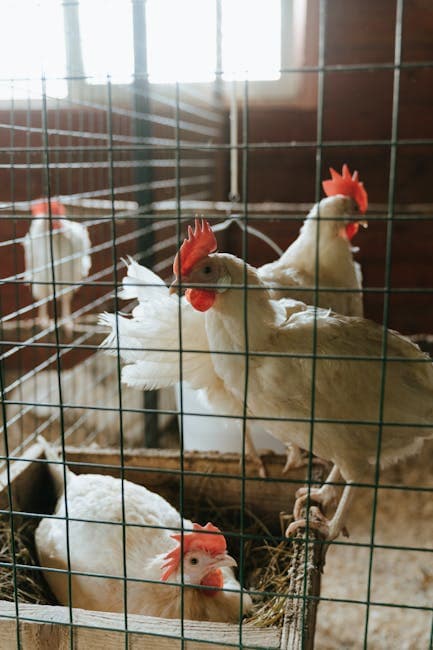
Straw has been used in chicken coops for centuries, and it's still a solid option, especially if you're on a tight budget or live in a cold climate.
Important: Straw and hay aren't the same thing. Straw is the dry, hollow stalks left after grain harvesting. Hay is dried grass meant for feeding animals. Never use hay as coop bedding because it holds moisture, molds quickly, and attracts pests. Always use straw.
Cost: About $4-$8 per bale, making it the cheapest option on this list. One bale goes a long way in a standard coop.
Absorbency: Fair. Straw's hollow stems don't absorb moisture as well as pine shavings. Droppings tend to sit on top rather than getting soaked up, which means you'll notice mess faster and need to clean more often.
Ease of cleaning: Straw is easy to fork out in big clumps, making full cleanouts quick. But spot-cleaning is harder because droppings sit on the surface and slide between stalks rather than getting absorbed.
Composting: Straw breaks down faster than pine shavings and makes excellent compost. It's a favorite for gardeners who want usable compost quickly.
Insulation: This is where straw really shines. Those hollow stems trap air, creating natural insulation that keeps the coop warmer in winter. If you live somewhere with harsh winters, straw's insulating properties are a real advantage.
Straw: Watch Out For
Straw can harbor mites, lice, and mold spores if it gets wet. Because it doesn't absorb as well as pine shavings, wet patches develop faster, especially under roosts. Check for damp spots regularly and replace wet straw promptly.
Some straw bales may also contain grain seeds, which attract rodents. Wheat straw is the most common and generally cleanest option. Avoid straw that looks discolored or smells musty.
Sand: The Low-Maintenance Option
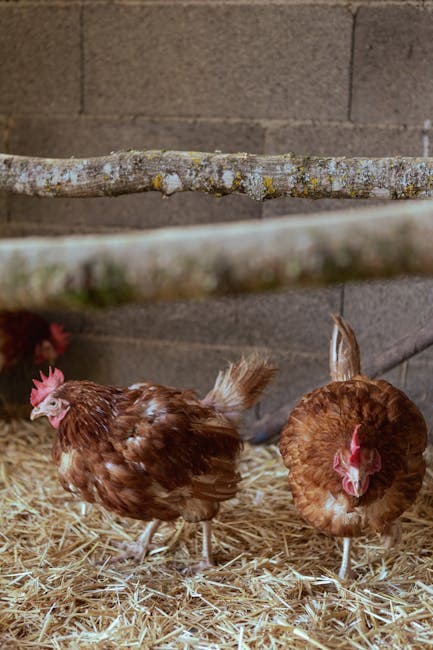
Sand has gained a big following in the backyard chicken community, and people who use it tend to swear by it. It works differently than traditional bedding: instead of absorbing waste, it lets you scoop droppings out like a cat litter box.
Cost: Higher upfront. You'll need coarse construction sand (not play sand), which costs $30-$60 to fill a coop floor 3-4 inches deep. However, you don't replace it regularly like shavings or straw, so the long-term cost can be lower.
Absorbency: Sand doesn't absorb moisture the way shavings do. Instead, it drains quickly and dries fast. Studies have shown that sand harbors less bacteria and fungi than organic bedding materials, likely because the dry environment discourages microbial growth.
Ease of cleaning: This is sand's biggest selling point. Use a kitty litter scoop or a small garden sifter to scoop droppings daily. It takes about 5 minutes. No full cleanouts needed, just top off with fresh sand once or twice a year.
Composting: Sand doesn't compost. The scooped droppings can go straight into compost, but you can't toss the whole batch like you can with shavings or straw.
Insulation: Poor. Sand doesn't insulate at all and can actually make a coop colder in winter. In hot climates, though, sand stays cooler than organic bedding, which chickens appreciate.
Sand: Watch Out For
Use coarse construction sand or river sand only. Fine play sand compacts, holds moisture, and creates dust. The wrong type of sand defeats the entire purpose.
Sand is heavy. Really heavy. Filling a coop with 3-4 inches of sand means hauling hundreds of pounds. If your coop is elevated or has a wooden floor, make sure the structure can handle the weight.
Sand also doesn't work well with the deep litter method (more on that below) since it doesn't decompose. And in freezing climates, wet sand can freeze solid, making scooping impossible. Keepers in cold regions often switch to pine shavings for winter and use sand in the run year-round.
Side-by-Side Comparison
Here's how the three main chicken coop bedding options stack up:
Pine Shavings
- •Upfront cost: $6-$10/bale (low)
- •Ongoing cost: Replace every 2-4 weeks (moderate)
- •Absorbency: Excellent
- •Odor control: Very good
- •Insulation: Good
- •Cleaning: Spot-clean + full change monthly
- •Composting: Yes, adds carbon
- •Best for: Most keepers, especially beginners
Straw
- •Upfront cost: $4-$8/bale (lowest)
- •Ongoing cost: Replace every 1-3 weeks (moderate)
- •Absorbency: Fair
- •Odor control: Fair
- •Insulation: Excellent
- •Cleaning: Easy fork-out, harder spot-clean
- •Composting: Yes, breaks down fast
- •Best for: Cold climates, budget setups
Sand
- •Upfront cost: $30-$60 to fill (highest)
- •Ongoing cost: Top off 1-2x/year (lowest long-term)
- •Absorbency: Drains, doesn't absorb
- •Odor control: Excellent (dries fast)
- •Insulation: Poor
- •Cleaning: Daily scoop, 5 minutes
- •Composting: No (droppings only)
- •Best for: Warm climates, low-maintenance fans
Which Bedding Works Best for Nesting Boxes?
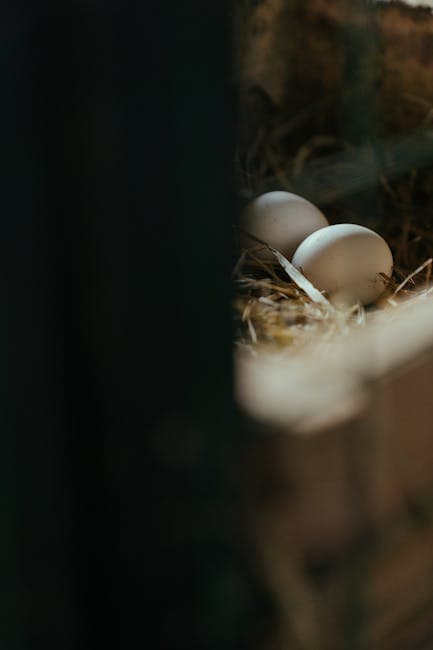
Nesting boxes have different needs than the coop floor. You want something soft, cushioning (to protect eggs), and easy to replace when it gets soiled.
Pine shavings are the top choice for nesting boxes. They're soft, cushion eggs well, and you can quickly swap out dirty shavings without much fuss.
Straw also works great in nesting boxes. Many keepers prefer it here because hens like to arrange straw into a nest shape, and it provides excellent cushioning for eggs.
Sand isn't ideal for nesting boxes. It doesn't cushion eggs well, and hens tend to kick it out. Stick with shavings or straw in the boxes, even if you use sand on the coop floor.
For more on setting up your coop's interior, our best chicken coops guide covers nesting box placement and design.
Can You Mix Different Bedding Types?
Absolutely. Many experienced chicken keepers use a combination approach:
- •Sand in the run, pine shavings in the coop. This is the most popular combo. Sand drains well outdoors and handles rain, while shavings provide absorbency and warmth inside.
- •Pine shavings on the coop floor, straw in nesting boxes. Gets you the best absorbency where droppings land and the best cushioning where eggs land.
- •Straw in winter, sand in summer. If you have seasonal temperature swings, switching bedding with the seasons gives you insulation when you need it and easy cleaning when it's warm.
There's no rule that says you have to pick just one. Match the bedding to the specific need in each area of your setup.
The Deep Litter Method
The deep litter method is a composting-in-place approach that works with pine shavings and straw (not sand). Instead of cleaning out the coop regularly, you add fresh bedding on top of the old stuff and let beneficial microbes break down the droppings over time.
How it works:
- •Start with 4-6 inches of pine shavings or straw
- •When droppings build up, stir the bedding with a pitchfork and add 2-3 inches of fresh material on top
- •The chickens help turn it as they scratch
- •The bottom layers slowly compost, generating mild heat in winter
- •Do a full cleanout once or twice a year and add the whole batch to your compost pile
This method works best in coops with good ventilation and enough space. It reduces cleaning frequency dramatically and produces excellent garden compost. Pine shavings are generally better for deep litter than straw because of their superior absorbency.
If you're raising chickens on a budget, the deep litter method paired with affordable pine shavings is tough to beat. Check out our cost breakdown for raising chickens for more money-saving tips.
What to Avoid
Not all bedding materials are safe for chickens. Stay away from these:
- •Cedar shavings: Toxic oils cause respiratory damage and liver problems
- •Hay: Holds moisture, molds rapidly, and attracts rodents
- •Newspaper (flat sheets): Gets slippery when wet and can cause leg injuries, especially in chicks
- •Cat litter: Clumping litter is dangerous if ingested
- •Treated wood chips: May contain chemicals harmful to chickens
- •Fine sawdust: Creates harmful dust that chickens inhale
If you're ever unsure about a bedding material, the safest bet is kiln-dried pine shavings. They've been the standard in poultry keeping for decades because they work reliably and they're safe.
Frequently Asked Questions
How often should you change chicken coop bedding?
It depends on the type. Pine shavings need a full change every 2-4 weeks (or longer with the deep litter method). Straw should be swapped every 1-3 weeks since it doesn't absorb as well. Sand doesn't need replacing at all; just scoop droppings daily and top off once or twice a year.
Is sand or pine shavings better for a chicken coop?
Pine shavings are better for most coops, especially in cooler climates. They're affordable, absorbent, and insulate reasonably well. Sand works better in warm, dry climates and for keepers who prefer quick daily scooping over weekly cleanouts. Many keepers use both: sand in the run and shavings in the coop.
Can you use straw in a chicken coop year-round?
You can, but it works best in winter when its insulating properties shine. In hot, humid weather, straw's lower absorbency can lead to moisture and mold problems. If you use straw year-round, check for damp spots frequently and replace wet patches immediately.
What's the best bedding for baby chicks?
For the first 1-2 weeks, paper towels are safest because very young chicks may eat other bedding materials. After that, pine shavings work great in a brooder. Avoid straw for chicks because they can get tangled in long stalks, and skip sand since chicks may eat it.
How deep should chicken coop bedding be?
Aim for 3-4 inches for standard use. If you're using the deep litter method, start with 4-6 inches and build up to 8-12 inches over time. Deeper bedding provides better insulation and absorbency, but make sure your coop has adequate ventilation to handle the extra moisture.
Your flock will let you know if the bedding's working. Dry feet, clean feathers, and a coop that doesn't knock you back with ammonia smell when you open the door? You've found your match. For more on keeping your flock healthy and happy, browse our complete beginner's guide to raising backyard chickens.